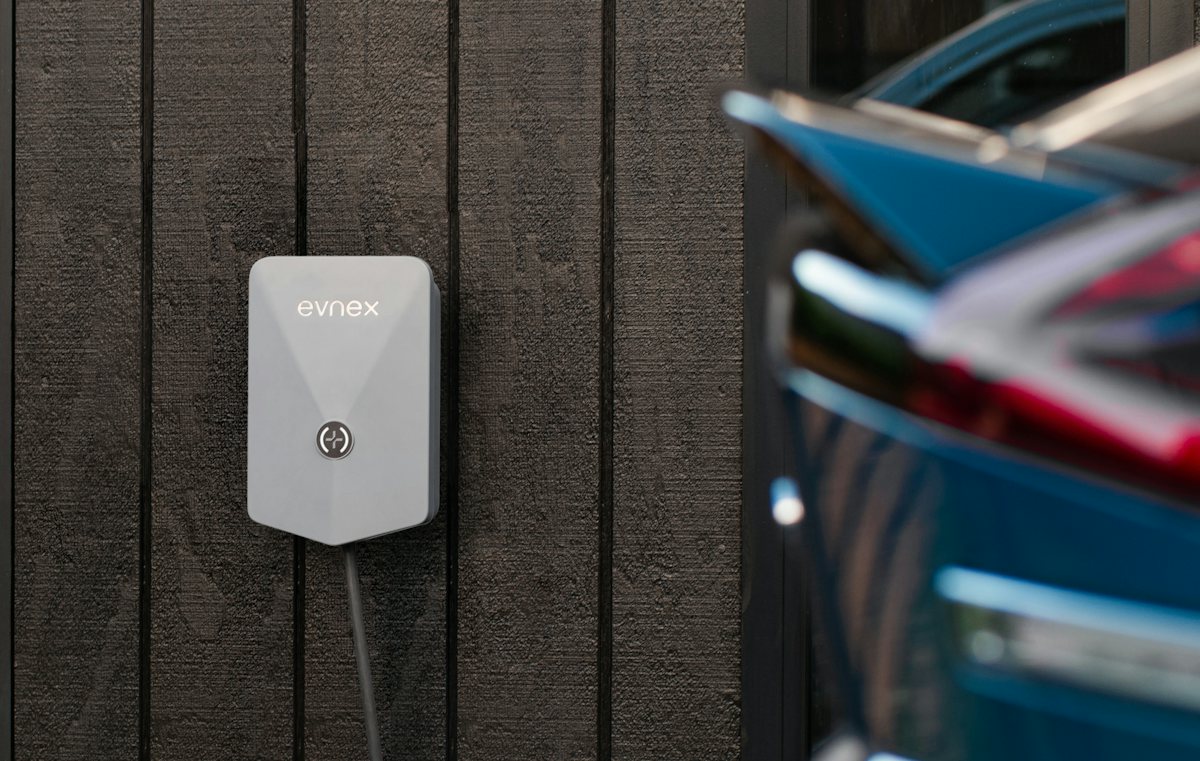
What does an EV charger installation involve?
Most home EV charger installs in Springfield take part of a day once the plan is set.
- Panel and load check. The electrician looks at your panel size, open slots, and what the house already uses. A Level 2 charger usually needs its own 240-volt circuit, often 40 to 60 amps.
- Pick the setup. You can hardwire a wall charger or install a 240-volt outlet and plug a charger into it. The right choice depends on the charger, the garage, and whether you might switch vehicles later.
- Plan the route. Wire runs from the panel to the charger location, through walls, an attic, a basement, or along the garage in conduit.
- Permit. The City of Springfield requires an electrical permit for this kind of work.
- Install. A new breaker goes in the panel, the wire is run, and the charger or outlet is mounted and connected.
- Test and inspect. The charger is tested with your car, and the city inspects the work.
Detached garages, driveway chargers, and long runs across the house take more planning. Trenching for an outdoor run means calling 811, Missouri One-Call, before digging so buried lines get marked.
When do you need a Level 2 home charger?
A standard 120-volt outlet adds only a few miles of range per hour. That works for some drivers. A Level 2 charger makes more sense when:
- You drive more than a short commute and need a full charge overnight
- Two people in the house share one EV, or you have two EVs
- You're buying a new EV and want charging ready the day it comes home
- You're charging off an extension cord, which is a fire risk and should stop
- Your 120-volt outlet gets hot or trips during long charging sessions
If you plan to sell the house in a few years, a 240-volt outlet in the garage can also be a small selling point for buyers who drive electric.
Why do some Springfield homes need extra work for an EV charger?
The charger itself is simple. The house is usually what makes the job bigger or smaller.
Older panels are often full or small. A lot of Springfield homes still have 100-amp service, and some have less. A Level 2 charger is one of the biggest loads in the house, so it may not fit without a panel upgrade or a load management device.
Garages aren't always close to the panel. If the panel is on the opposite side of the house or in a basement corner, the wire run gets long, and long runs may need heavier wire.
Detached garages need their own feed. Many older Springfield houses have a garage behind the house, which means running power out to it.
Plug-in setups need the right outlet. Charging pulls a heavy load for hours. A cheap outlet or a loose connection on a 240-volt circuit can overheat. Industrial-grade receptacles and correct installation matter more here than in most places in the house.
Are there City Utilities rebates for EV chargers?
Yes, if you're a City Utilities residential electric customer. City Utilities' EV charging rebate page lists two residential rebates:
- Residential EV charger: 50 percent of the cost, up to $500, for a new Wi-Fi enabled "smart" Level 2 charger.
- Residential EV home upgrade: 50 percent of the cost, up to $500, for installing a 240-volt outlet with a NEMA 6-50 or NEMA 14-50 receptacle.
You can apply for either one or both, with a limit of two rebates per service address. City Utilities says certain restrictions apply, so read the rebate form or call City Utilities Energy Services at 417-874-8200 before you buy a charger. Rebate programs change, so check the current terms.
What affects the cost of an EV charger installation?
EV charger pricing in Springfield depends mostly on the house. The main factors are:
- Panel capacity. If the panel can take a new 240-volt circuit as is, the job stays small. If not, a load management device or panel upgrade adds to it.
- Distance from the panel to the parking spot, and how the wire has to get there.
- Finished walls, attics, and basements that affect how easily wire can be run.
- Hardwired charger or outlet. The work is similar, but the parts differ.
- Indoor or outdoor location. Outdoor chargers need weather-rated equipment and sometimes trenching.
- The charger itself, if you have the electrician supply it.
- Permit and inspection.
Ask whether the estimate includes the breaker, wire, outlet or charger, the permit, and help with rebate paperwork.
Should you add a circuit or upgrade the panel first?
If your panel has open space and the load calculation shows enough room, adding a dedicated circuit is the simplest path. Many homes with gas heat and gas appliances fall in this group.
If the panel is full, the service is 100 amps or less, or you also plan to add a heat pump, hot tub, or second EV, upgrading the panel first is usually smarter than squeezing in a charger. Load management devices, which pause charging when the house is using a lot of power, can sometimes let you skip or delay an upgrade. The load check at the start shows which option fits your house.
Frequently asked questions
How long does it take to install a home EV charger?
Most installs take a few hours to a day once the permit is in place. Jobs that need a panel upgrade, a detached garage feed, or trenching take longer.
Should I hardwire my charger or use a plug-in outlet?
Hardwired chargers can often run at higher power and have fewer connection points that can wear out. A plug-in setup with a NEMA 14-50 outlet makes it easier to swap chargers later. City Utilities offers rebates for both a smart charger and a 240-volt outlet.
Do I need a permit for an EV charger in Springfield?
Yes. The City of Springfield requires an electrical permit for nearly all electrical work, and a new 240-volt circuit is not one of the exceptions. The electrician pulls the permit and the city inspects the work.
Can I charge my EV from a regular outlet?
You can, using the cord that came with the car, as long as the outlet is in good shape and on a circuit that isn't shared with other heavy loads. It's slow, and it puts a long, steady load on the outlet, so an old or loose outlet should be replaced first.
Will a Level 2 charger raise my electric bill a lot?
It adds the cost of the energy your car uses, which is the same whether you charge on Level 1 or Level 2. Level 2 just charges faster. Ask City Utilities about rate options for your account.
Talk to an electrician in Springfield
Call and describe the problem or the project, or send the form with a few details. Someone will follow up to set a time to look at it.